
Don't Get Tricked
By Broadband Theft!
Your internet connection is an important part of everyday life. From banking and shopping to streaming, working, gaming, and connecting with family and friends, so much of what you do happens online.
That’s why it’s important to protect your home network—and be careful about who has access to it.
Sharing your internet with people outside your household may seem harmless, but unauthorized access can create serious security, privacy, and legal risks. Someone connected to your network may use your bandwidth, target your devices, monitor online activity, or even use your connection for illegal activity.
Here are some of the biggest risks.
They Can Use Your Internet Without Permission
Someone who gains access to your Wi-Fi can use your connection as if it were their own. They may connect multiple devices, stream or download large amounts of content, or use your bandwidth for gaming and other data-heavy activities.
The result? Slower speeds, buffering, lag, and problems with video calls, work, or school.
They Could Steal Personal Information
Unauthorized network access can give cybercriminals an opportunity to target sensitive information on connected devices and accounts.
They may attempt to access:
Banking and financial accounts
Email and social media accounts
Usernames and passwords
Personal files, photos, and documents
Stolen information can be used for identity theft, fraud, or impersonation.
They Could Take Control of Connected Devices
Your home network may connect computers, phones, cameras, doorbells, smart speakers, thermostats, televisions, and other devices.
If those devices aren’t properly secured, an attacker could attempt to access them, install spyware or malware, view personal files, or monitor activity through connected cameras and other smart devices.
They Could Spread Malware or Leave a Backdoor
A compromised network can become a pathway for malware. Attackers may try to infect connected devices with viruses, spyware, or ransomware.
Malware can steal information, damage files, encrypt data for ransom, or create a “backdoor” that allows an attacker to return later—even after you change your Wi-Fi password.
They Could Hijack Your Network Settings
This is one of the most serious risks.
Someone using your network could potentially send spam, attempt hacking, commit fraud, or participate in other illegal activities. That activity may be traced back to your internet connection and IP address, potentially creating problems for you even if you weren’t responsible.
How Can You Protect Your Network?
A few simple steps can help keep unauthorized users out:
Use a strong, unique Wi-Fi password.
Avoid easy-to-guess passwords and don’t reuse passwords from other accounts.
Use a guest network.
If you need to provide internet access to visitors, keep guests separate from your primary home network whenever possible.
Keep your router and devices updated.
Updates often include important security fixes.
Check connected devices.
Periodically review the devices connected to your network. If you don’t recognize one, investigate it and remove it if necessary.
Keep security protections enabled.
Use firewalls, antivirus software, and other security features on supported devices.
Change your Wi-Fi password if you suspect unauthorized access.
If you believe your network has been compromised, contact your internet provider or a qualified technician for help securing it.
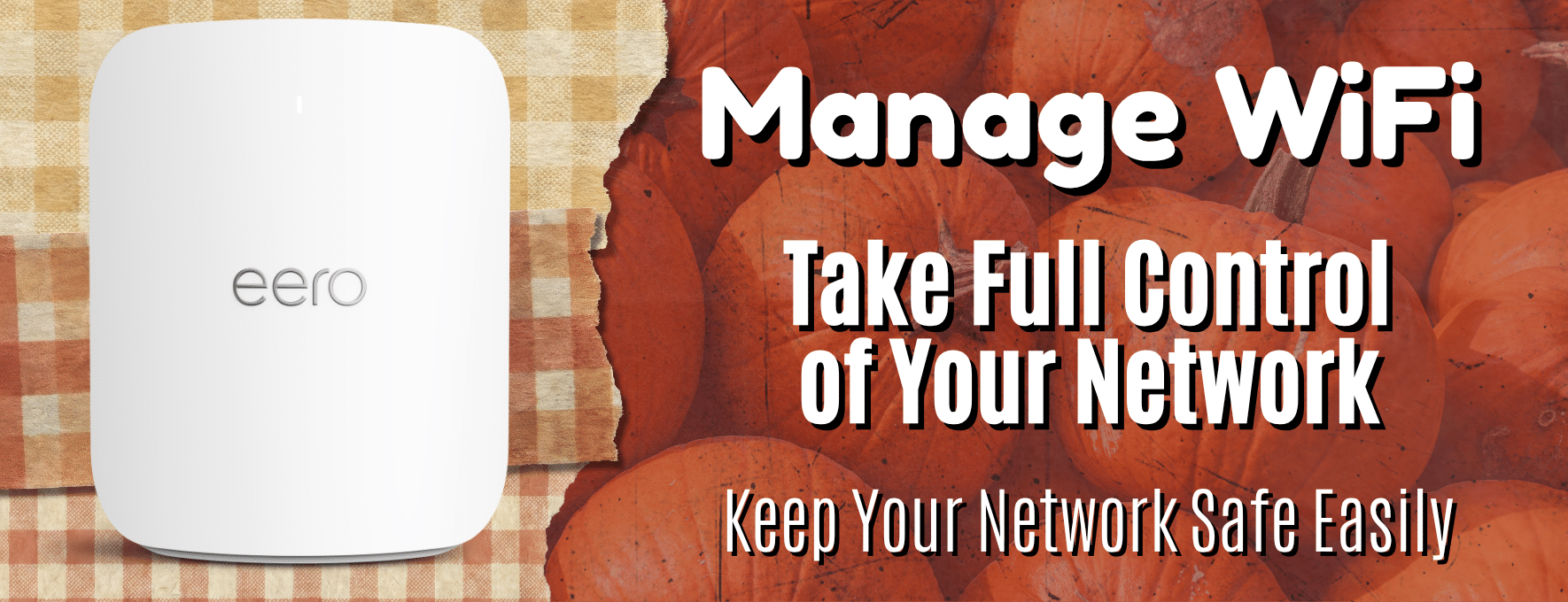
Keep Your Connection Yours
Your home network connects more than just your devices. It can provide a pathway to your personal information, smart home, work, school, and everyday life.
Don’t let someone else’s internet activity put your privacy, devices, or connection at risk. Protect your network and keep your broadband connection yours.
Share with Friends…